


Last verified: May 2026
Quick Answer
🗓️ When is the best time to visit Egypt in 2026?
The best time to visit Egypt is October–April, with October–November and March–April offering the most comfortable weather and fewer crowds
🌟 Oct–Nov (Best value)
22–30°C · fewer tourists · prices 20–30% lower than peak · great for photography
❄️ Dec–Feb (Peak season)
15–25°C · most comfortable · busiest & priciest · book 3+ months ahead
🌸 Mar–Apr (Sweet spot)
20–28°C · crowds thinning · good availability · ideal balance
☀️ May–Sep (Avoid)
35–45°C · extreme heat · Luxor & Aswan hardest hit · budget travellers only
The best time to visit Egypt is October through April, when temperatures stay comfortable for full days at the Pyramids, Luxor temples, and Nile cruise stops. October–November and February–March are the sweet spots: mild weather, thinner crowds, and prices running 20–30% below the December–January peak. Summer (June–September) brings intense heat to Upper Egypt but delivers the emptiest sites and lowest rates of the year — worth it if you plan around the heat.
This guide breaks down every month by temperature, crowd levels, and cost, with specific notes on Ramadan 2026, the Khamaseen dust winds, and the Abu Simbel Sun Festival dates — so you can choose the window that fits your trip, not just the one everyone defaults to.
Key Takeaways
- October–April offers cooler, comfortable weather for major sites.
- May–September means heat, but fewer crowds and better value.
- Regions differ: urban Cairo, southern Luxor/Aswan, coastal Alexandria.
- Plan mornings for outdoor temples and afternoons for museums.
- Don’t miss Abu Simbel Sun Festival (Feb 22, Oct 22) for a unique event.
Egypt Month-by-Month: Temperature, Crowds & Cost at a Glance
Use this table to compare every month across Cairo, Luxor, and the Red Sea coast before reading the detailed breakdown below.
| Month | Cairo Temp | Luxor Temp | Crowd Level | Price Level | Best For |
|---|---|---|---|---|---|
| January | 8–18°C | 10–23°C | Very High | Peak | Best weather; book early |
| February | 9–20°C | 12–25°C | High | Peak | Abu Simbel Festival (Feb 22) |
| March | 11–23°C | 16–30°C | Medium | Shoulder | Good; watch Khamaseen winds |
| April | 14–28°C | 22–36°C | Medium | Shoulder | Warming fast; still excellent |
| May | 19–33°C | 28–40°C | Low | Low | Heat rising; great value |
| June | 22–36°C | 32–43°C | Very Low | Lowest | Red Sea beaches; extreme inland heat |
| July | 24–37°C | 33–44°C | Very Low | Lowest | Emptiest sites; hottest month |
| August | 23–37°C | 32–43°C | Very Low | Lowest | Beaches; indoor museums |
| September | 22–34°C | 28–40°C | Low | Low | Heat easing; quiet sites |
| October | 18–30°C | 23–36°C | Medium | Shoulder | Abu Simbel Festival (Oct 22) |
| November | 14–24°C | 16–29°C | High | Shoulder | One of the best months overall |
| December | 10–20°C | 11–24°C | Very High | Peak | Perfect weather; book months ahead |
Local Tip from Ahmed, Egypt Travel Specialist: October and November are my top picks for first-time visitors — the heat has broken, the light is golden for photos, and you won’t be fighting December crowds at the Valley of the Kings.
Why timing matters for your Egypt trip right now
The season you select affects heat, queues, prices, and how you plan every outing.
Desert weather shapes your days. Hot months bring dry air and light crowds, so early mornings and shaded midday breaks become part of your routine. Cooler months draw more people; expect busy sites and higher rates, especially around December and January.
Season choice changes the vibe. In peak months, museums buzz and streets feel lively. In hotter months, quieter rhythms mean lower prices and calmer lines for key monuments. That trade-off is central when you plan how many days you spend outdoors.
Local Tip from Ahmed, Egypt Travel Specialist: start before sunrise, rest during midday, and save temple walks for sunset. Book earlier entry windows when possible to avoid the biggest crowds and capture better photos.
This short guide helps you weigh comfort, crowds, and costs so your trip matches your interests—whether you prioritize history, beaches, or museum time—and gives simple tips for smarter days on the ground.
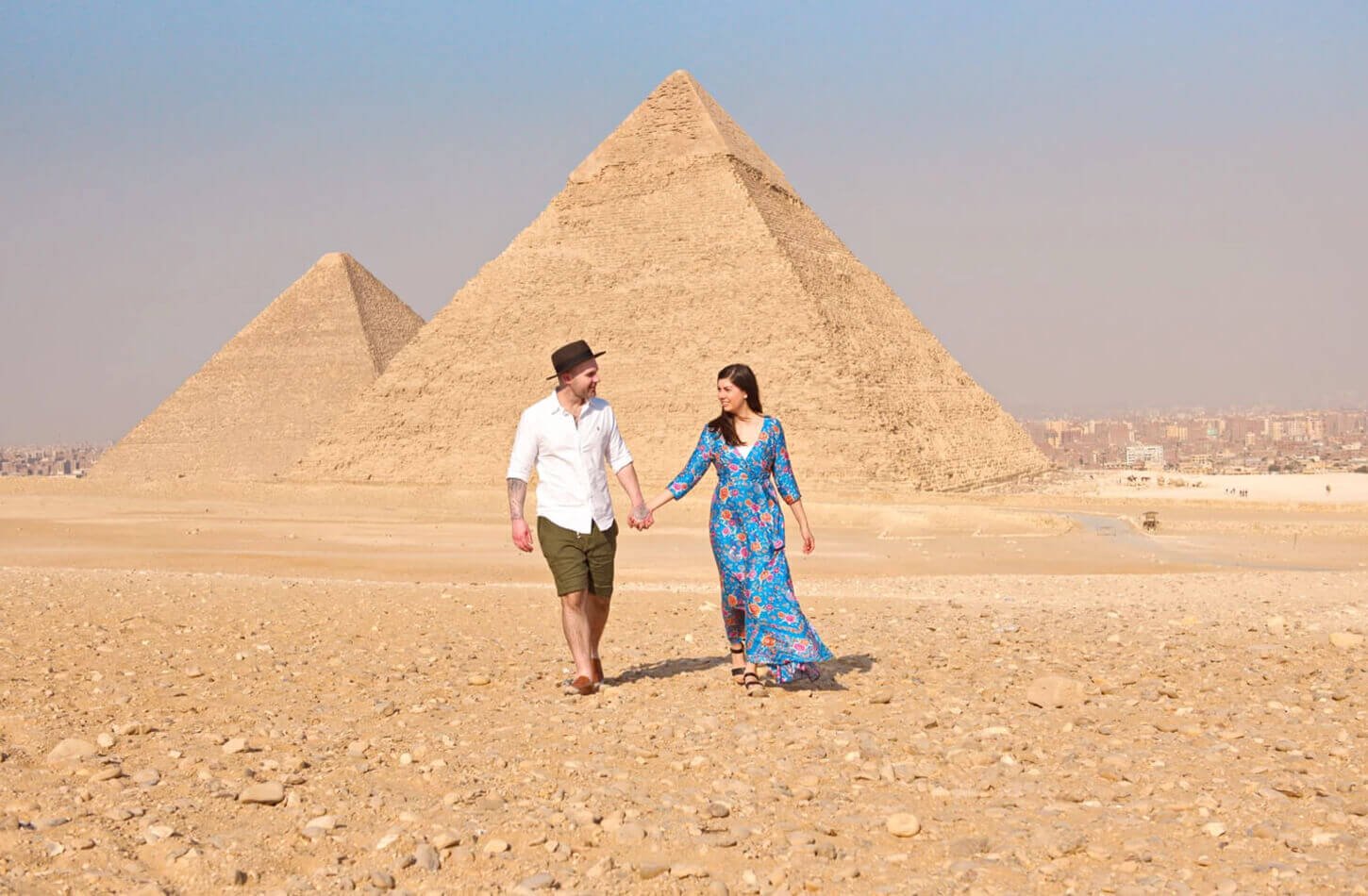
The best time to visit and travel to Egypt
Choose the season that matches your energy: lively city nights or quiet temple mornings. This section breaks down practical trade-offs so you can pick months that fit your priorities for weather, crowds, and comfort.
October to April: Cooler days, comfortable touring, and peak-season buzz
From October to April, Cairo, Giza, and Upper Egypt enjoy milder weather and great light for photography. December and January bring the largest crowds and the fullest hotels, but the days are pleasant for long walks and outdoor sites. For a well-planned route through the highlights, Egypt Classic Tours covers Cairo, Giza, Luxor, and Aswan in a single, joined-up itinerary — ideal for making the most of the cooler months.
May to September: Desert heat, lighter crowds, and value pricing
During May and September, the desert sun runs hot, but the air stays dry, and many visitors thin out. You’ll find lower prices, shorter lines at major sites, and relief from Nile breezes in the evenings.
Weather versus crowds: Finding your personal sweet spot
If cooler days matter most, lean toward October-April for smoother city touring and archaeology. If quiet spaces and savings matter more, consider May-September and plan mornings and late afternoons for outdoor visits.
Highlight dates: Abu Simbel Sun Festival in February and October
Bookmark February 22 and October 22 for the Abu Simbel alignment. Southern spots like Luxor and Aswan often shine with blue skies in winter months, making festival days and crisp evenings extra memorable.
Weather and temperatures by region: How the seasons feel across the country
Weather shifts across the country, so what feels pleasant in one city can be intense a few hours down the Nile. Below are clear regional notes to help you plan your days, pack right, and choose which sites to see and when.
Cairo & Giza: Warm winters, hot summers—great for big-city sites
Cairo and nearby Giza sit around the mid-60s°F in winter and climb into the mid-90s°F in summer. Winters feel warm enough for full outdoor days at the pyramids and museums. Summer rewards early starts and shaded breaks.
Luxor & Aswan: Southern sun, blue skies, and the hottest summer months
Luxor drops into the low 70s°F in winter and soars past 100°F by summer; Aswan can reach 108°F. Blue-sky winters are ideal for temple touring. Summer afternoons get intensely hot—plan indoor or river-side hours then.
Alexandria & the Mediterranean coast: Milder temps with occasional winter rain
Alexandria runs cooler, roughly mid-60s°F to high-80s°F, with occasional winter showers. Coastal nights are fresher; bring a light layer for evening walks.
Nile breeze and desert conditions: What to expect from day to night
Desert air dominates most regions, so heat can feel sharp despite low humidity. Expect cooler mornings and evenings, hotter afternoons, and a helpful Nile breeze on river outings. Pack breathable clothes, sun protection, and plan long outdoor stints for cooler hours.
Month-by-month guide: From winter sunshine to summer swims
A month-by-month outlook helps you match weather, crowds, and activities for a smoother trip. Below is a compact guide that highlights what each part of the year feels like and how you should plan your days.
January–March: Peak comfort, busy sites, and festival energy
Winter months bring sunny, comfortable touring and lively streets. Expect more crowds at major sites, especially around holidays.
Mark late January or early February for the West Bank Marathon in Luxor. Evenings and long daylight hours work well for extended walks and photo time.
April–May: Shoulder season warmth—plan early starts
These months warm up quickly; mornings stay pleasant while afternoons heat up. Build early touring times into your days for Giza, Karnak, and other open-air sites.
The Khamaseen — Egypt’s Spring Dust Winds
Between mid-March and mid-May, hot, dry winds called the Khamaseen blow in from the Western Desert, carrying fine sand and pushing temperatures close to 40°C — sometimes in a matter of hours. It doesn’t happen every day, but when it does, outdoor sightseeing becomes uncomfortable, and visibility at open-air sites drops.
If you’re visiting in March or April, keep one or two flexible “indoor” days in your itinerary — the Grand Egyptian Museum, the Egyptian Museum in Tahrir, and Luxor Museum are all excellent alternatives when dust conditions hit. A lightweight dust mask or scarf is worth packing for Upper Egypt during this period.
June–September: Summer months for Red Sea water time and museum days
Hot, dry weather rules this span. It’s ideal for Red Sea beaches, snorkeling, and relaxed afternoons by the water.
Many indoor collections, including the new galleries at the Grand Egyptian Museum, are quieter and climate-controlled—perfect for midday museum visits.
Local Tip from Ahmed, Egypt Travel Specialist: Visiting in summer? Start every outdoor site before 8 am, and you’ll be done before the worst heat hits. Giza at sunrise, with almost no one around, is one of the best experiences Egypt offers.
October–December: Cool-down begins, rising demand toward the holidays
Temperatures fall and comfort returns. October 22 is the Abu Simbel Sun Festival—an iconic moment worth planning around.
Crowds grow again near late-December holidays, so book timed entries where possible and leave buffer days for flexibility.
Best Time to Visit Egypt by Trip Type
There’s no single best month for everyone. Your ideal window depends on what kind of trip you’re planning.
Families with children
October–November and February–March offer the most manageable conditions for families. Temperatures are mild enough for full days at open-air sites like Giza and Karnak, school holiday crowds are absent outside peak weeks, and itineraries are easy to pace. Avoid July–August for inland destinations — Luxor and Aswan regularly exceed 40°C, which is exhausting for children. Consider booking one of Tripianto’s Egypt Family Tours to get itineraries pre-planned around seasonal comfort.
Couples and honeymooners
February and November deliver the romantic combination of warm golden-hour light, manageable temperatures, and quieter sites than the December–January rush. February 22 at Abu Simbel — when the sun illuminates the inner sanctuary — is one of the most dramatic experiences in Egypt. Explore Egypt Honeymoon Tours for curated itineraries built around these windows.
Budget-conscious travelers
May and September are the best value months: shoulder-season prices without the full summer heat of June–August. Hotel rates drop 25–35% compared to December, and sites are noticeably quieter. Combine with one of Tripianto’s Egypt Short Breaks to keep costs tight without cutting key highlights.
Divers and snorkelers
The Red Sea is excellent almost year-round, but March–May and September–November offer the best underwater visibility combined with comfortable air temperatures. Hurghada and Sharm El-Sheik are the main bases. Summer months are fine for beach time, but above-water heat can be intense.
Visiting Egypt During Ramadan — What to Expect
Ramadan 2026 ran from approximately 17 February to 18 March. For 2027, dates shift roughly 11 days earlier — check the Islamic calendar before booking if your travel window falls between January and April.
Visiting during Ramadan is a genuinely different experience — not a reason to avoid Egypt, but one that requires a few adjustments.
What changes: Many local restaurants close during daylight hours, though tourist-facing cafes and hotel restaurants remain open throughout. Public energy is quieter during the day and vibrant after sunset, when streets come alive for Iftar (the breaking of the fast). Alcohol is less freely available at non-hotel venues.
What’s worth planning around: Book domestic transport and intercity trains well in advance for Eid al-Fitr (the end of Ramadan) — Egyptians travel in large numbers, and seats sell out fast. Similarly, plan around Eid al-Adha.
The upside: Evening atmosphere in Khan el-Khalili and Old Cairo during Ramadan is extraordinary. Iftar tables spill into the streets, lanterns line the alleys, and the sense of community is unlike any other time of year. If your schedule allows flexibility, arriving in the last week of Ramadan for Eid celebrations is memorable.
Nile experiences: River cruise timing, breezes, and site access
Onboard life changes how you plan days: shaded decks, steady winds, and flexible stops set the pace.
Why a river cruise works even in summer
Comfort on the water
A river cruise stays comfortable across months thanks to dry air, shaded lounges, and air-conditioned cabins. A steady Nile breeze keeps deck hours pleasant while cabins offer a cool retreat during the hottest part of the day.
Smart touring windows
Most Nile cruise itineraries schedule early-morning and late-afternoon temple stops. You’ll avoid peak heat and get clearer photos. Popular sites between Luxor and Aswan remain open year-round with this rhythm.
Local Tip from Ahmed, Egypt Travel Specialist: If you’re booking a Nile cruise, lock in your cabin by August for a November or December sail — the best ships on the Luxor–Aswan route sell out 3 to 4 months ahead.
Daylight, crowds, and onboard activities
Daylight shapes your tour: sunrise departures for major temples and evening returns when temperatures drop. Use midday rest on the ship for lectures, cultural demos, or stargazing so you keep energy for golden-hour walks. Traveling with others makes this rhythm even easier to enjoy — Egypt Group Tours run fixed departures on the most popular Nile cruise routes, with everything timed and taken care of so you focus on the experience.
Red Sea seasonality: Best months for swimming, snorkeling, and beach time
Coastal days along the Red Sea shift with the calendar—some months glow with long sunlit hours, others shine with glassy visibility. This short guide helps you match goals like lazy beach days or clear reef dives with the right window.
Summer on the coast: Warm water, long days, relaxed vibes
In summer, the water warms quickly, and daylight stretches late into the evening. You’ll find long swims, evening strolls, and casual beach hangs that suit families and sun-seekers.
Coastal temperatures stay milder than inland desert highs, so a full beach day feels easy when you split activities: morning swimming, shaded afternoon breaks, and sunset walks.
Shoulder and winter by the water: Cooler air, clear visibility, fewer people
Shoulder months and winter bring cooler air and exceptional underwater clarity. Snorkeling and diving sessions stretch longer because visibility improves and boats carry fewer guests.
That season is ideal if you prefer quieter beaches, deeper dives, and a calmer pace while you combine sea time with short inland excursions or a brief river cruise.
Crowds, prices, and peak versus off-peak travel
Crowd flows and price swings shape how each day feels on the ground. Knowing when places fill up helps you plan better days and spend less. This short section explains peak windows, the balance of shoulder months, and simple off-peak strategies you can use right away.
Peak times: December–January and holiday surges
Hotel rates climb, lines get long, and popular sites attract more tourist groups. If you plan a visit during these weeks, book entry windows and key stays well in advance to avoid surprises. Travelers who want peak-season comfort without the stress of planning logistics independently will find Luxury Egypt Tours the easiest way to secure priority access, premium hotels, and private guides during the year’s highest-demand weeks.
Ahmed’s tips: pick weekdays with lighter foot traffic, set flexible plans, and lock in stays earlier when the year shows higher demand. These steps help you control costs and get more from each tour.
Shoulder seasons: spring and fall balance
Spring and fall offer a steady mix of milder weather, lower prices, and fewer people than peak months. You’ll find smoother access for major sites while keeping comfort high. These months work well if you want smarter costs without big sacrifices.
Off-peak strategies: mornings, late afternoons, and flexible days
Start before opening, rest at midday, and return late afternoon to enjoy emptier temples and better light. Plan one indoor museum during the hottest slot and shift a shore lunch so you avoid tourist bottlenecks. Small moves—hydration, shade, and timing—turn crowded days into pleasant ones.
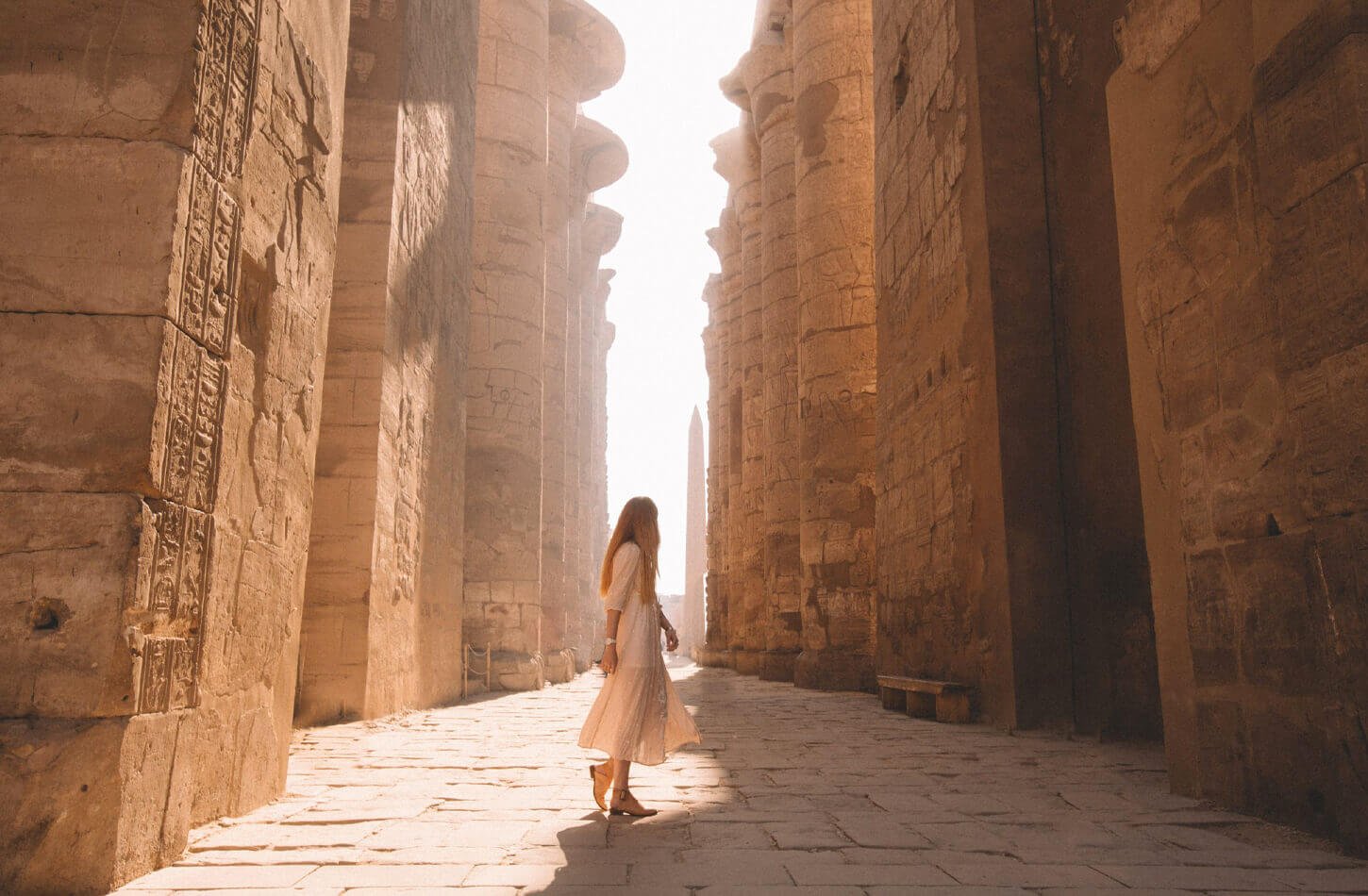
Practical tips: What to pack, what to wear, and cultural cues
Small habits—hydration, shade, and modest dress—shape how you enjoy each day.
Sun and heat readiness
Pack breathable layers, a wide-brimmed hat, polarized sunglasses, and high-SPF sunscreen for long hours outdoors. Carry a refillable water bottle and a cooling cloth for mid-day breaks.
Modest dress and mosque etiquette
Choose lightweight clothing that covers the shoulders and knees. Bring a light scarf for quick coverage inside mosques and ask before photographing local people.
Money matters and tipping
Tipping (baksheesh) is common. Keep small USD bills for simple tips and small purchases. A compact day bag with tissues, sanitizer, and a backup layer helps during air-conditioned stops.
Practical packing checklist:
– Comfortable shoes for mixed surfaces and active activities.
– A surge protector, local plug adapters, and zip bags to protect electronics from sand.
– Plan realistic blocks for big sites in the morning and lower-exertion things as the sun peaks.
These tips aim to make your visit to Egypt respectful, safer in the sun, and easier to enjoy during every trip.
Build your ideal itinerary by season and interest
Shape an itinerary that matches seasonal comfort and your favorite interests across cities and coastlines. Start with a simple focus—history, sea, or museums—then map practical blocks so each day feels balanced.
History-forward winter: Cairo, Giza, Luxor, Valley of the Kings
Cooler winter days suit extended museum visits in Cairo and long walks at the Giza Plateau. Plan full-morning tours at Luxor Temple and the Valley of the Kings when light and weather make photography easy.
Group nearby sites on the same day to cut transit strain. Add a short river cruise or Nile cruise segment to link Upper Egypt without long road transfers.
Summer blend: Museums, evening site visits, and Red Sea downtime
Hot months favor air-conditioned galleries by day, then golden-hour temple walks or after-dark site visits. Slide in a Red Sea interlude for beach rest and clearer water activities.
Mix one high-exertion morning with lighter indoor activities after lunch. Use evenings for night markets or sound-and-light shows and leave buffer days to revisit favorites or wake for a sunrise moment on your trip to Egypt.
Frequently Asked Questions
What is the best time to visit Egypt?
October through April is the best time to visit Egypt, when temperatures are comfortable across Cairo, Luxor, and Aswan. The sweet spots are October–November and February–March — mild weather, manageable crowds, and prices 20–30% lower than the December–January peak.
What is the best month to visit Egypt?
November and February are consistently the best individual months. November offers excellent weather, lower prices than December, and the start of the high-season buzz. February is milder than January and less crowded, and it includes the Abu Simbel Sun Festival on the 22nd.
Is Egypt too hot to visit in summer?
Upper Egypt (Luxor and Aswan) regularly exceeds 42–45°C in July and August, which is intense for outdoor sightseeing. However, Cairo is more manageable, the Red Sea coast is ideal for beach holidays, and Nile cruise ships are air-conditioned and half-empty, with rates 30–40% lower than peak season.
When is Ramadan in Egypt in 2026?
Ramadan 2026 ran from approximately 17 February to 18 March. Visiting during Ramadan is possible and culturally rich, but requires some planning — restaurant hours change, book transport early around Eid, and expect livelier evenings after sunset.
When is the best time to cruise the Nile?
October through April is the ideal window for a Nile cruise, with November to March the peak booking period. Temperatures on the water are comfortable, all temple stops operate at normal hours, and the Nile is at its most scenic. Book 3–6 months ahead for this window, as popular ships sell out.
What is the cheapest time to visit Egypt?
June through August offers the lowest hotel rates and airfares, often 30–40% below peak. Sites are nearly empty. The trade-off is extreme heat inland — plan early-morning outdoor visits, rest at midday, and lean on air-conditioned museums and Red Sea resorts for the afternoon hours.
Conclusion
Plan your months around weather, crowds, and daily light to get the most from every site. You now have a compact guide that matches season, temperatures, and prices with how you like to tour. October–April gives the most comfort; December and January bring peak demand, while May–September run hotter with fewer visitors.
Add a river or Nile cruise to link landmarks with relaxing time on the water. Note signature dates, such as the Abu Simbel Sun Festival (Feb 22, Oct 22), and pick coastal summer months for warm Red Sea water and long days. Use these tips to sequence sites by region, lock in key bookings for busy months, and pack for sun and culture. With this information, you’re ready to pick your best time-of-visit window and plan a smooth, memorable trip.
